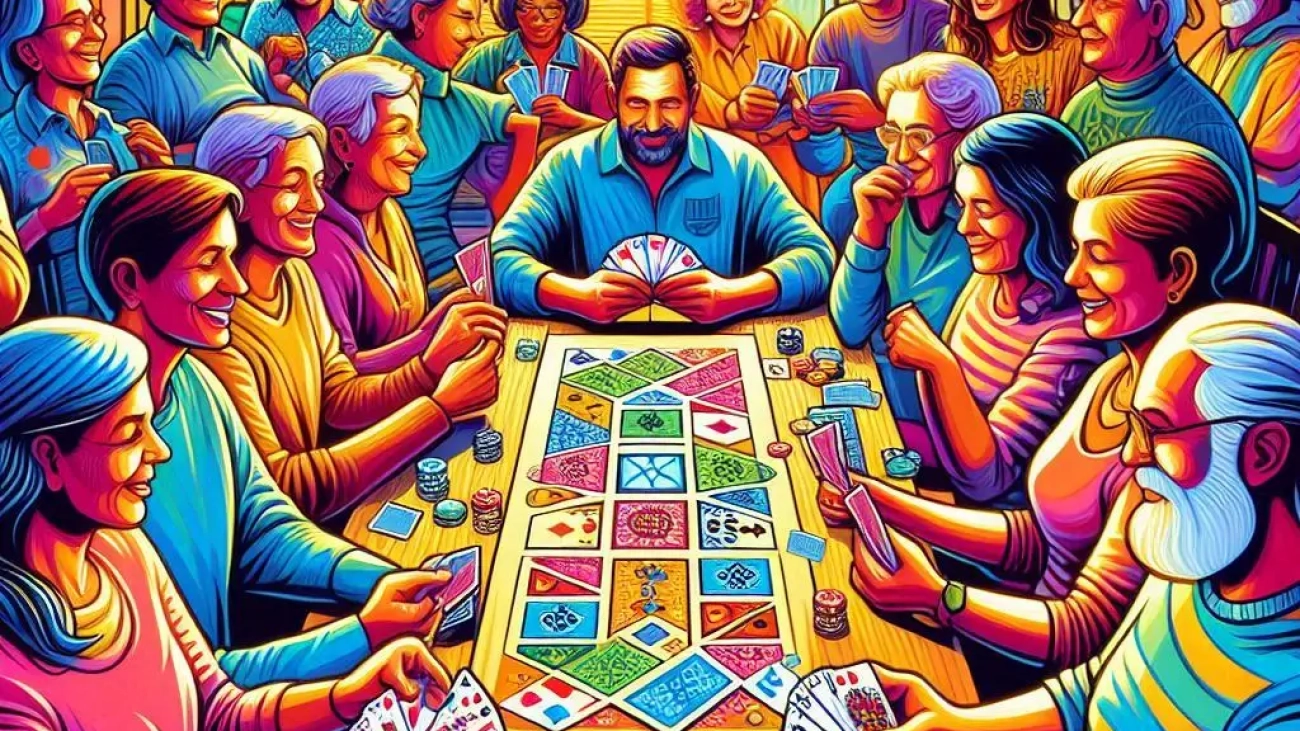
dpcpersagisidoarjo.org – Across centuries and continents, card games have been a core part of human entertainment. They appear in royal courts, smoky gambling halls, family kitchens, long train rides, military barracks, and anywhere people gather. These games aren’t just pastimes—they’re cultural artifacts, shaped by history, tradition, and the universal desire to connect through play.
So, what are some classic card games?
To answer that fully, we need to explore the games that stood the test of time—games that shaped social traditions, influenced modern game design, and continue to thrive even in the digital age.
Before diving into the list, it helps to look at the bigger picture of understanding card games. Classic titles aren’t just popular because they’re old. They’ve survived because they offer something timeless: strategic tension, social engagement, intellectual depth, emotional drama, and simple, elegant rules.
Below is a complete guide to classic card games explained, covering the most iconic categories and the legendary games within them.
Why Classic Card Games Endure
Classic card games continue to thrive for four key reasons:
1. Simple Components, Infinite Possibilities
A standard 52-card deck can generate hundreds of unique games. This flexibility keeps classics relevant through generations.
2. Strong Social Interaction
Most classic games thrive on:
-
reading people
-
bluffing
-
signaling subtle cues
-
forming partnerships
-
celebrating wins
-
recovering from defeats
Card games are social glue.
3. Elegant Strategy Without Overwhelm
Classic games strike the perfect balance between:
-
luck,
-
skill,
-
memory,
-
and probability.
They’re easy to learn but hard to master.
4. Cultural Tradition
Many families teach the same games across generations, giving classics a nostalgic, emotional permanence.
The Greatest Classic Card Games of All Time
Here are the foundational games that shaped global card culture, divided into categories for clarity.
1. Classic Gambling & Competitive Card Games
These games dominate casinos, tournaments, and competitive circles. Their rules are defined, their strategies deep, and their cultural footprint enormous.
Poker (The Legendary Classic)
Poker is the most influential card game ever created. While Texas Hold’em is the modern champion, poker originated centuries earlier and evolved into dozens of formats.
Why Poker Is a Classic
-
strategic complexity
-
psychological warfare
-
risk vs reward tension
-
global tournaments
-
cultural representation in films and literature
-
balanced mix of luck and long-term skill
Classic variants:
-
Five-Card Draw
-
Seven-Card Stud
-
Texas Hold’em
-
Omaha
Poker defines what players consider a “serious” card game.
Blackjack (The Casino Icon)
Blackjack, also known as “21,” is the most widely played casino card game in the world.
Why Blackjack Endured
-
lightning-fast rounds
-
simple mathematics
-
strategic decision charts
-
low barrier to entry
-
timeless gambling appeal
Its elegance lies in the core question: Can you beat the dealer without going over 21?
2. Classic Trick-Taking Games
Trick-taking games are older than most modern nations. These games revolve around winning “tricks” (rounds of one card per player) and mastering suits, trumps, and timing.
Bridge (The Strategic Masterpiece)
Bridge is arguably the deepest classic card game ever created.
Why Bridge Is Legendary
-
partnership coordination
-
complex bidding systems
-
vast depth of strategy
-
massive international tournaments
-
highly skilled competitive community
Bridge isn’t casual—it’s a lifelong intellectual pursuit.
Spades (The American Classic)
Spades is one of the most beloved classic games in the U.S., especially in colleges, military circles, and family gatherings.
What Makes Spades Endure
-
simple bidding
-
exciting trump mechanics
-
friendly trash talk tradition
-
teamwork and social bonding
Spades has a cultural presence few games can match.
Hearts (The Mind-Game Classic)
Hearts became globally popular when Microsoft included it on Windows computers.
Why Hearts Is a Classic
-
simple to learn
-
deep strategy
-
“Shoot the Moon” tension
-
psychological reading of opponents
It’s a brilliant mix of skill and chaos.
Euchre (Homegrown American Classic)
A fast, high-energy trick-taking game where the Jack becomes the most powerful card.
Why Players Love Euchre
-
short rounds
-
strong partnership interaction
-
fun, lighthearted gameplay
-
community presence in the Midwest
Euchre shaped many American card traditions.
3. Classic Matching & Set-Building Games
These games revolve around creating pairs, sequences, and groups of cards.
Rummy (The Global Family Classic)
Rummy is one of the most widely played card games on the planet, with dozens of regional variations.
Why Rummy Is Timeless
-
easy for beginners
-
satisfying “meld-making” gameplay
-
fast-paced rounds
-
multi-generational appeal
Common classic versions include:
-
Gin Rummy
-
Indian Rummy
-
Canasta
-
Conquian
Rummy is both strategic and comfortable—a perfect family staple.
Go Fish (The Childhood Classic)
Simple, charming, and accessible, Go Fish is often the first card game children learn.
Enduring Appeal
-
simple rules
-
fun memory mechanics
-
friendly competition
-
colorful children’s decks
Go Fish is the entry point for millions into card gaming.
Old Maid (Traditional Matching Classic)
A game found in countless childhood memories.
Why Old Maid Survives
-
fast rounds
-
humorous tension
-
simple matching mechanics
-
flexible house rules
Its charm lies in the anticipation of getting “stuck” with the Old Maid.
4. Classic Shedding Games
In shedding games, the goal is to get rid of all your cards first.
Crazy Eights (The Great-Great-Grandparent of UNO)
Crazy Eights is one of the most foundational shedding games ever created.
Why It’s Still a Classic
-
universally known rules
-
fast-paced play
-
special action cards
-
works for all ages
Its influence on UNO is undeniable.
President (Also Known as “Asshole,” “Scum,” or “Daihinmin”)
A social shedding game where players fight for prestige (and avoid humiliation).
Why It Sticks Around
-
chaotic energy
-
strong social dynamics
-
clever card hierarchy
-
simple but addictive flow
This game thrives in dorms, parties, and casual hangouts.
5. Classic Solitaire Games
Solitaire games emphasize patience, planning, and pattern recognition. They became global classics during the computer age.
Klondike Solitaire (The Timeless Single-Player Classic)
The most recognized solo card game ever made.
Why Klondike Dominates
-
meditative gameplay
-
widespread digital presence
-
simple but rewarding patterns
-
available on every Windows machine for decades
Solitaire’s cultural reach is enormous.
FreeCell (Skill-Based Solitaire)
Famous for its reliance on skill over luck.
Why Still Loved
-
nearly every deal is solvable
-
strong logical challenge
-
massive online communities
FreeCell rewards thoughtful planning.
Spider Solitaire (The Strategic Solo Classic)
Harder than Klondike but deeply satisfying.
Why It Remains Popular
-
multi-suit challenges
-
long-term strategy
-
intense puzzle-solving feel
Spider Solitaire is a favorite for logic-focused players.
6. Classic International Card Games
These classics evolved outside the Anglo-American deck but hold major cultural importance.
Scopa (Italy)
A brilliant fishing-style game.
Why It’s a Classic
-
elegant scoring
-
perfect for two players
-
rich Italian tradition
Durak (Russia)
Russia’s national card game.
Why It Survives Centuries
-
strong defensive gameplay
-
unique “no winner, only a loser” structure
-
extremely social
Koi-Koi (Japan)
Played with Hanafuda cards.
Why It Thrives
-
stunning artwork
-
gambling tension
-
cultural heritage
Why Classic Card Games Matter Today
Classic card games aren’t just entertainment—they’re cultural time capsules.
They teach essential skills
-
strategy
-
probability
-
memory
-
social bonding
They foster emotional intelligence
Reading opponents and managing risk are life skills disguised as play.
They connect generations
Grandparents teach them to parents. Parents teach them to kids.
They influenced modern game design
Many digital games borrow mechanics from these classics.
Classic games endure because they provide something timeless: competitive thrill, intellectual challenge, emotional tension, and shared human experience.
So, what are some classic card games?
They range from global legends like Poker and Rummy to social staples like Spades and Hearts, to universal family games like Go Fish and Old Maid, to strategic masterpieces like Bridge, to solitary meditative games like Klondike Solitaire.
When it comes to classic card games explained, the enduring truth is this:
Classic card games remain relevant because they combine elegant mechanics with deep social meaning. They’re easy to learn, hard to master, and always worth revisiting—whether you’re bonding with family, sharpening your mind, or simply enjoying a timeless tradition.